Laid-Up Insurance for a SORN Car: Is It Worth It?
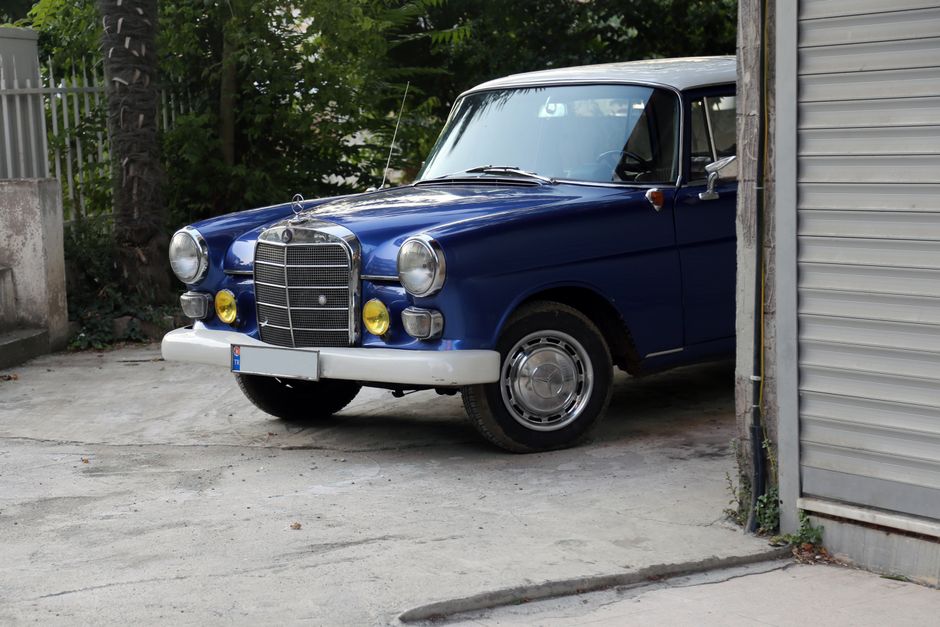
Photo by Şahin Sezer Dinçer on Pexels
Laid-up insurance for a SORN car covers your vehicle against theft, fire and accidental damage while it is stored off the road. It costs significantly less than standard comprehensive cover and provides no road-use protection at all. For many owners, it offers sensible peace of mind at a fraction of the price of a full motor policy.
Key Takeaways
- Laid-up insurance covers fire, theft and often accidental damage on a parked, off-road vehicle — it does not permit you to drive the car.
- It typically costs less than standard comprehensive cover because it carries no road-use risk for the insurer.
- Home insurance rarely covers motor vehicles, so a SORN car with no dedicated policy may be entirely unprotected.
- Most laid-up policies do not require a valid MOT because the vehicle will not be driven on public roads.
- You can declare SORN for free yourself directly on the GOV.UK website; SORN My Car is an optional paid service that handles the paperwork on your behalf.
What Is Laid-Up Insurance for a SORN Car?
When you declare a Statutory Off Road Notification (SORN), your vehicle must be kept off public roads — typically on a private driveway, in a garage or on private land. At that point, standard road-use insurance is no longer a legal requirement, and many owners cancel their motor policy to save money. That is perfectly lawful.
However, cancelling all cover leaves the vehicle exposed. Laid-up insurance — sometimes called SORN insurance or storage insurance — fills that gap. It is a specialist type of policy designed for vehicles that are off the road and not being driven. Cover typically includes fire, theft and, depending on the policy, accidental damage. It does not include any protection for journeys on the public highway.
This type of cover is particularly worth considering if you own a classic or collector vehicle, a seasonal car such as a convertible or kit car, a vehicle undergoing restoration, or simply a second car you will not be using for several months.
What Does Laid-Up Insurance Cover?
Policies vary between insurers, so always read the policy wording carefully before buying. Most laid-up insurance policies for a SORN car include:
- Fire damage — protection if the vehicle catches fire while in storage.
- Theft and attempted theft — covers the vehicle being stolen or damaged during a break-in attempt.
- Accidental damage — many policies include damage caused by events such as a garage wall collapsing, a falling tree branch or a neighbour accidentally reversing into the car.
- Storm or flood damage — some policies extend to weather-related losses, but this is not universal. Check the policy wording before assuming it is included.
Some insurers offer optional extras such as agreed-value cover (particularly useful for classic cars where market value is hard to establish), legal expenses and personal accident protection.
What Laid-Up Insurance Does Not Cover
It is equally important to understand what is excluded. Laid-up insurance for a SORN car will not cover:
- Any use on a public road — even a brief test drive could invalidate the policy for that incident.
- Mechanical breakdown, wear and tear, or deterioration from long-term storage.
- Damage caused while a garage or mechanic is working on the vehicle — the garage's own trade policy would normally cover that situation.
For a full overview of the insurance obligations that apply when a car is off the road, see our guide on Do You Need Insurance on a SORN Car? The Rules Explained.
Does Home Insurance Cover a SORN Car?
Many owners assume a car sitting on their driveway or locked in their garage is covered by their home insurance. In almost all cases it is not. Standard home contents and buildings policies explicitly exclude motor vehicles. A SORN car with no dedicated insurance may therefore be entirely unprotected against theft, fire or accidental damage — regardless of where it is stored.
If you are unsure, check the exclusions section of your home policy before relying on it for any vehicle-related protection.
How Much Does Laid-Up Insurance Cost?
Because there is no road-use risk, laid-up insurance is generally cheaper than an equivalent comprehensive road policy. The exact premium depends on factors including the vehicle's value, where it is stored (a locked, alarmed garage typically attracts a lower premium than an open driveway), the level of cover you choose and your claims history.
Premiums can usually be paid monthly or annually. Some specialist insurers also offer flexible short-term policies, which can be useful if you only need cover for a defined period — for instance, while a restoration is under way or while you wait for a buyer to come forward.
It is worth obtaining at least two or three quotes from specialist motor or classic car insurers before committing, as premiums for this type of cover can vary considerably between providers.
Is Laid-Up Insurance for a SORN Car Worth It?
The answer depends largely on your vehicle's value and how it is stored. Consider the following:
- High-value or hard-to-replace vehicles — for a classic car, a low-mileage specialist vehicle or any car with significant financial or sentimental value, laid-up cover is almost always worthwhile.
- Vehicle stored on an exposed driveway — cars parked outside and visible from the road carry a higher risk of theft and opportunistic damage. Cover is more valuable in this situation.
- Vehicle stored in a secure, locked garage — the risk profile is lower, but a fire or break-in could still result in a total loss. Cover remains sensible.
- Low-value vehicle — if the car is worth only a modest sum, the cumulative cost of premiums over several months may approach the vehicle's value. In that case, a fire-and-theft-only policy at the lowest available premium may offer the best balance of protection and cost.
One practical point worth bearing in mind: a SORNed car on your driveway is visible to anyone passing by. Thieves do not check DVLA records. If your vehicle has any resale value, it is a potential target — whether or not it is taxed or insured for the road.
Does Laid-Up Insurance Require a Valid MOT?
Most laid-up insurers do not require a current MOT certificate as a condition of cover, because the vehicle is not being driven on public roads. However, some policies — particularly those offering agreed-value or classic car cover — do include a valid MOT as a policy condition. Always check the policy schedule before purchasing, and ask the insurer directly if you are unsure.
Moving Back to Full Road Cover
When you are ready to take your SORN car back on the road, you will need to complete three steps:
- Ensure the vehicle has a valid MOT, obtaining a new one if the previous certificate has expired.
- Tax the vehicle at the DVLA.
- Switch your laid-up policy to a standard road-use policy — or take out a new road policy — before you drive.
Do not drive the vehicle until all three are in place. Driving without valid road-use insurance is illegal and can result in a fixed penalty, points on your licence and, in serious cases, court proceedings — regardless of any laid-up cover you hold.
You will find step-by-step advice on returning a vehicle to the road in our SORN guides section.
A Note on Declaring SORN
Before arranging laid-up insurance, make sure your SORN declaration is correctly in place. You can declare SORN for free yourself directly on the GOV.UK website; SORN My Car is an optional paid service that completes the paperwork on your behalf if you would prefer not to navigate the DVLA process directly. We are not the DVLA or a government body.
If you need a refresher on how the declaration process works — including which reference number to use and when your SORN takes effect — our complete SORN guide covers everything you need to know.
Once your SORN is confirmed and your laid-up cover is in place, your vehicle is in the best position it can be while it sits off the road. If you would like help with the declaration itself, SORN My Car can handle the paperwork for you — quickly and without the need to contact the DVLA yourself.
You can declare SORN for free yourself on GOV.UK. If you'd rather we handle the DVLA submission for you, SORN My Car can do it in minutes.
Start your SORN ›Frequently asked questions
Is laid-up insurance generally cheaper than keeping a standard comprehensive policy on a SORN car?
Generally yes. Because there is no road-use risk, laid-up premiums tend to be lower than an equivalent comprehensive road policy. The precise saving varies depending on the vehicle's value, its storage location and the level of cover chosen. Obtaining two or three quotes from specialist insurers is the best way to gauge the difference.
If my SORNed car is damaged by flood water or a fallen tree, will a laid-up policy pay out?
It depends on the policy. Some laid-up policies include storm and flood damage within their accidental damage section; others exclude it entirely. Always check the specific perils listed in the policy wording before buying, rather than assuming that weather-related losses are automatically covered.
Will making a claim on a laid-up policy affect my no-claims bonus when I return to standard road cover?
This varies by insurer. Some treat a claim on a laid-up policy the same as any other motor claim, which could reduce your no-claims discount when you come to renew or take out road cover again. Others keep laid-up and road-policy claim histories separate. It is worth asking the insurer directly how a claim would be recorded before you commit to the policy.
Can I get laid-up insurance if my SORN car is stored at a friend's garage rather than my home address?
Yes, most insurers can cover a vehicle stored at a different address from your own, but you must declare the correct storage location accurately when applying. The premium may differ depending on the address's security features and postcode. Giving an incorrect storage address could invalidate any future claim.
I am mid-way through restoring a car that is partly stripped — can I still get laid-up insurance for it?
Some specialist classic car or restoration vehicle insurers will cover a car mid-restoration, but many standard laid-up policies will not. You will need to be fully transparent about the vehicle's condition when applying. Non-disclosure of a partial restoration could affect any claim, so seek a specialist insurer who can properly assess the risk.