Is It Illegal to Drive a SORN Car? Penalties and Exceptions Explained
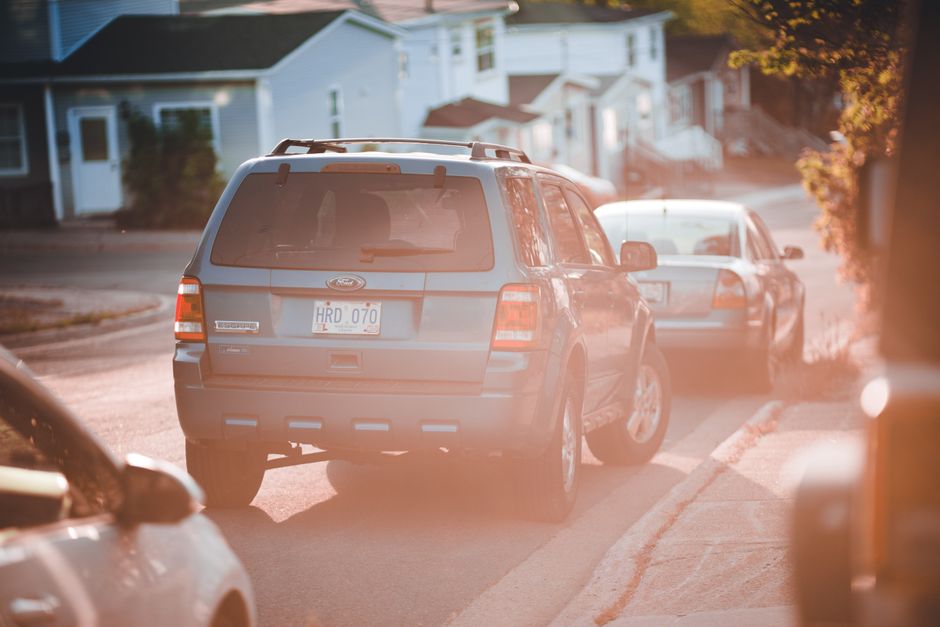
Driving a SORN car on a public road is illegal in almost all circumstances. A Statutory Off Road Notification tells the DVLA that your vehicle will not be used on public roads — and taking it onto one breaks that declaration as well as the law on vehicle excise duty. There are a small number of narrow exceptions, but the penalties for getting it wrong are serious.
Key takeaways
- Driving a SORN vehicle on a public road is illegal under the Vehicle Excise and Registration Act 1994
- Penalties can include fixed penalty notices, wheel clamping, vehicle seizure, and prosecution in a magistrates’ court
- The only widely recognised exemption is driving directly to and from a pre-booked MOT test
- Driving on genuinely private land is permitted
- Even under the MOT exemption, you must still hold valid motor insurance
- There is no grace period for a SORN car you have just bought — tax it before you drive it
What a SORN means for driving
When you declare SORN, you formally tell the DVLA that your vehicle will be kept off the public road — stored in a garage, on a driveway, or on private land — and that you will not drive or park it on any public road or highway.
A SORN vehicle also has no valid road tax (Vehicle Excise Duty, or VED). That is deliberate: off-road vehicles do not need to be taxed. But the moment you drive onto a public road, you are committing two separate breaches of the law:
- Using a vehicle on a public road without valid VED — an offence under the Vehicle Excise and Registration Act 1994
- Breaking your own SORN declaration by using a vehicle you have told the DVLA is off the road
Neither of these is a technicality. Both carry real penalties, and they tend to occur together whenever someone drives a SORN car without first understanding the rules.
Is it illegal to drive a SORN car?
Yes — with very limited exceptions. If your car is declared SORN, you cannot legally drive it on any public road: not a motorway, not a residential street, not a local-authority car park, not even a short stretch of road between two pieces of private land. The status of the road matters, not the distance you intend to travel.
This applies regardless of whether you are the registered keeper or someone else borrowing or collecting the vehicle. If the car is SORN’d, it is off the road in the eyes of the law — and no personal circumstance changes that.
Penalties for driving a SORN car on a public road
Both the DVLA and the police have powers to act when a SORN vehicle is found on a public road, whether it is being driven or simply parked there. The consequences can escalate from an on-the-spot penalty to a criminal prosecution.
Clamping and fixed penalty notices
DVLA enforcement teams patrol specifically for untaxed vehicles. If your SORN car is spotted on a public road — moving or stationary — it can be clamped immediately. There is a release fee to recover the vehicle, and if it remains unclaimed within the permitted period, the DVLA may tow it away and ultimately dispose of it.
The police can also issue a fixed penalty notice for the VED offence. Ignoring the notice escalates the matter to a magistrates’ court, where further costs are added.
Court prosecution
Driving without a valid vehicle excise licence — commonly referred to as VED evasion — can be prosecuted before a magistrates’ court. As well as a fine, the court may order payment of the back-duty owed on the vehicle. This is not a minor administrative matter; a magistrates’ court conviction produces a criminal record.
Driving without insurance
Most standard motor insurance policies will not cover you for driving while a SORN declaration is active. Policies typically require the vehicle to be taxed and legally permitted for road use; driving a SORN vehicle breaks those conditions. Driving without insurance carries its own serious penalties — a fixed penalty notice, six to eight points on your licence, and the possibility of vehicle seizure. If you cause an accident while uninsured, the personal financial consequences can be very significant indeed.
In practice, driving a SORN car on a public road nearly always means committing three offences at once: VED evasion, breach of the SORN declaration, and driving without insurance.
When is it legal to drive a SORN car?
There are a small number of narrow situations in which driving an untaxed — and therefore SORN’d — vehicle on a public road is permitted in law.
Driving to a pre-booked MOT test
The most commonly used exemption is driving a SORN vehicle directly to and from a pre-booked MOT appointment. The law recognises that a car may need to pass an MOT before it can be taxed again, and a specific exemption exists for this purpose. The conditions are strict: the test must be booked before you set off, you must take a reasonably direct route, and you must still hold valid motor insurance for the drive.
For a full explanation of exactly how this exemption works — including what happens if the car fails its test — read our detailed guide on Can You Drive a SORN Car to Its MOT? The Legal Rules Explained.
Driving on private land
A SORN declaration restricts use on public roads only. On genuinely private land — your own property, a private estate road, a farm track — you are free to drive a SORN car. The Vehicle Excise and Registration Act applies to public roads; it does not extend to private land.
Exercise caution, however. Many car parks — including those at supermarkets, retail parks, and leisure centres — are classed as public places in law even though they sit on privately owned land. If you are in any doubt about whether a location is truly private, do not drive your SORN vehicle there.
DVLA-authorised movements
In certain circumstances, the DVLA or its authorised contractors may move an untaxed vehicle for enforcement or administrative purposes. This is the DVLA exercising its own statutory powers; it is not a route available to private individuals.
Just bought a SORN car? There is no grace period
One of the most common misconceptions is that there is a brief window in which a newly purchased SORN vehicle can be driven home. There is not. When a vehicle changes hands, the seller notifies the DVLA of the sale — but that does not put road tax in place for the new keeper. If the car is SORN’d, you must tax it before you drive it on a public road, even if you have only just signed over the money.
If you are collecting a SORN vehicle you have just bought and cannot tax it on the spot, arrange for it to be transported on a trailer or by a recovery vehicle. The same applies if you are a seller delivering a SORN car to a buyer: the burden of complying with the law does not simply transfer at the point of sale.
What to do if your SORN car needs to move
If your vehicle is SORN’d and you need it on the road, the safe and legal options are:
- Tax the vehicle before driving it, and confirm your insurance policy is in force for road use
- Book an MOT and use the recognised legal exemption to drive directly to the test and back
- Hire a transporter or recovery vehicle to move it without it touching the public road under its own power
If you are unsure whether your vehicle currently has a valid SORN or road tax, you can check its status on the GOV.UK vehicle enquiry service. Our complete SORN guide explains exactly how to get a SORN in place quickly, and our SORN guides hub covers other common questions around SORN rules.
How to declare SORN
You can declare SORN for free yourself directly on the GOV.UK website — it takes only a few minutes, using either the 11-digit reference number from your V5C logbook (effective immediately) or the 16-digit number from a V11 reminder letter (effective from the first of the following month). You can also do it by phone on 0300 123 4321 or by post using form V890.
SORN My Car is an optional paid service — not affiliated with the DVLA or the government — that handles the declaration on your behalf. If you would prefer not to deal with the paperwork yourself, start your SORN with us and we will take care of it for you.
You can declare SORN for free yourself on GOV.UK. If you'd rather we handle the DVLA submission for you, SORN My Car can do it in minutes.
Start your SORN ›Frequently asked questions
Can I park my SORN car on the road outside my house if I am not driving it?
No. Parking a SORN vehicle on a public road — including the street directly outside your property — is not permitted. The restriction covers any presence on a public road, whether the vehicle is moving or stationary. DVLA enforcement officers can clamp or remove a SORN car found parked on a public road, even if it has not moved for months.
Will driving a SORN car put penalty points on my licence?
Driving without road tax (VED) is primarily a financial penalty offence and does not typically result in penalty points on your driving licence by itself. However, driving without insurance — which applies in most cases where a car is SORN’d — carries six to eight penalty points as well as a fine. It is the insurance offence, not the VED offence, that puts your licence at risk.
Can I tow my SORN car on a tow rope to move it along a public road?
This is legally complex and best avoided. A vehicle being towed on a rope still has its wheels on the road and is treated as a road vehicle, meaning it still needs to be taxed. The tow rope does not create a legal exemption from VED requirements. A safer option is to use a proper trailer or transporter where the SORN vehicle’s wheels are lifted entirely off the road. If you are unsure, contact the DVLA before proceeding.
Is there a legal exemption to drive a SORN car when selling it to a buyer?
No. There is no specific legal exemption that permits you to drive a SORN car in order to complete or facilitate a sale. The only widely recognised exemption for driving without VED is travelling directly to and from a pre-booked MOT test. If you need to deliver a SORN car to a buyer, it should be taxed beforehand or moved on a transporter.
What happens to my SORN if the DVLA clamps and seizes my vehicle?
If the DVLA clamps or seizes your vehicle because it was found on a public road while SORN’d, you will need to pay a release fee to recover it. The vehicle must also be taxed or placed back on a valid SORN declaration before it can be released. If it remains unclaimed beyond the statutory period, the DVLA may dispose of it — and you could still be liable for the outstanding fees.
Can someone else drive my SORN car on my behalf, for example a garage collecting it for repair?
Not without the vehicle first being taxed. The SORN status is attached to the vehicle, not to you as the owner, so it makes no difference who is behind the wheel. A garage or third party collecting a SORN car from a public road faces the same legal exposure as the registered keeper would. The vehicle should be transported, or taxed before collection, unless a specific legal exemption — such as the pre-booked MOT exemption — applies to the journey.