Selling a Car: Do You Need to Declare SORN First?
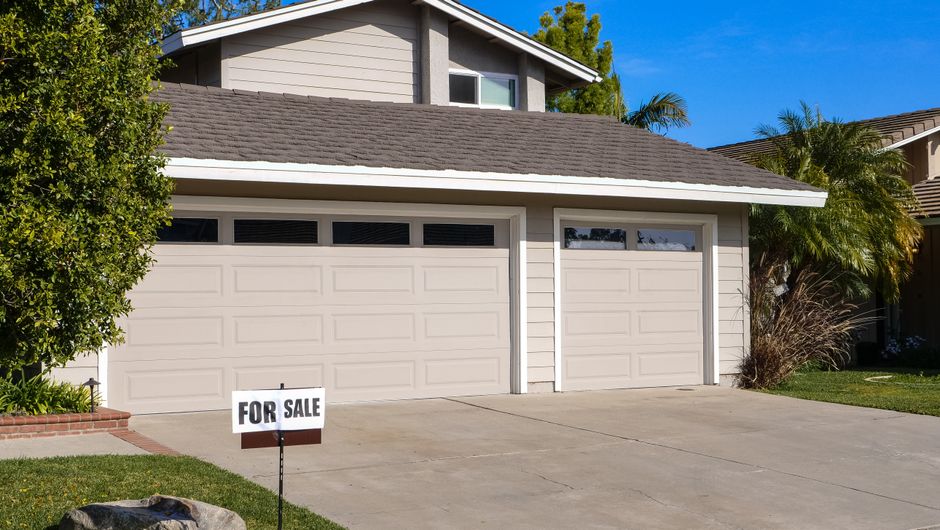
Photo by Kindel Media on Pexels
If you are wondering do I need to SORN a car I'm selling, the short answer is: it depends on the car's current status. If the vehicle is already declared SORN, no new declaration is required before the sale. If the car is untaxed and has no SORN, you should act quickly to avoid a potential DVLA penalty.
This guide explains your obligations as a seller, what happens to the SORN when the car changes hands, and what the buyer needs to know on collection day.
Key takeaways
- You do not need to make a fresh SORN declaration simply because you are selling your car.
- If the car is already SORNed, it can remain so until the new keeper taxes it or re-SORNs it in their own name.
- An untaxed, un-SORNed car risks an £80 DVLA penalty — declare SORN promptly if yours is in that position.
- SORN does not transfer automatically to the new keeper; they take on responsibility for the vehicle's status from the point of sale.
- The buyer cannot legally drive a SORNed car on public roads without taxing it first.
- You must notify the DVLA of the sale by completing the relevant section of your V5C logbook.
Do I need to SORN a car I'm selling?
No — there is no legal requirement to declare a new SORN specifically because you plan to sell your car. The right course of action depends on the vehicle's current status.
The car is currently taxed
If the car is currently taxed and roadworthy, you do not need to SORN it at any point during the sale process. When you notify the DVLA of the change of keeper, any remaining complete months of road tax are automatically cancelled and refunded to you. The new keeper must then tax the vehicle in their own name before driving it on public roads.
The car is already SORNed
If the car has been declared SORN, it can remain in that status throughout the selling process. There is no requirement to cancel the SORN or make a new declaration before the sale. Once you complete the change of keeper section of the V5C and notify the DVLA, your responsibilities as the registered keeper end. The new keeper then becomes responsible for deciding whether to tax the vehicle or re-SORN it in their name.
The car is untaxed and not SORNed
This is the situation that needs the most attention. A vehicle that is neither taxed nor declared SORN — even one sitting on your private driveway — can attract an £80 DVLA fixed penalty. If your car is in this position, declare SORN before you start searching for a buyer. You can read more about the risks in our guide to SORN vs Untaxed: What's the Difference and Which Do You Need?
What happens to SORN when you sell the car?
SORN is not a transferable status. It is linked to the vehicle's registration, but it does not automatically carry over to a new keeper when the car is sold.
In practice, this means:
- You, as the seller, are responsible for the vehicle's legal status right up to the point of sale.
- The moment the new keeper takes ownership, they become responsible for ensuring the car is either taxed or SORNed.
- If the buyer intends to drive the car away, they must tax it first — your existing SORN gives them no right to use the vehicle on a public road.
For a complete overview of how SORN works in different situations, our complete SORN guide covers the full picture.
How to notify the DVLA when selling a SORNed car
Selling a SORNed car follows the same process as selling any other vehicle. No new SORN declaration is needed as part of the sale. Here is what to do:
- Complete the V5C logbook. For a private sale, remove the green V5C/2 slip from the log book and give it to the buyer. You can then notify the DVLA of the change of keeper online via GOV.UK, or post the remainder of the V5C to the DVLA at the address shown on the document. The DVLA will update their records and send you confirmation that you are no longer the registered keeper.
- No road tax refund applies at this stage. A SORNed car has no current road tax, so there is nothing to refund at the point of sale. Any refund you were entitled to would have been paid when you originally declared SORN.
- Keep a record of the sale. Retain a copy of the completed V5C section, a signed receipt, and any messages confirming the transaction. This protects you if there is any later dispute about when ownership transferred.
If you are selling to a motor trader or dealership rather than a private buyer, complete the relevant trade section of the V5C and notify the DVLA. The process for notifying the change of keeper is the same either way.
Can the buyer drive a SORNed car away after purchase?
No. A SORNed vehicle cannot legally be driven on a public road under normal circumstances. Purchasing the car does not, by itself, give the new owner the right to drive it on public roads.
Make this clear to potential buyers before the sale completes, particularly regarding what will happen on collection day. The buyer's options are:
- Tax the car before driving away. The buyer can tax the vehicle online immediately using the green V5C/2 slip you provide. The tax takes effect straight away, allowing them to drive legally.
- Arrange transport. A trailer, low-loader, or recovery vehicle is a straightforward way to move a SORNed car without needing to tax it first.
- Use trade plates (dealers only). If you are selling to a motor trader, they may have trade plates allowing them to move the vehicle lawfully. This is the dealer's responsibility to arrange, not yours.
What if a buyer wants to test drive the car?
A test drive on a public road requires the vehicle to be taxed and the driver to hold valid insurance for it. A SORNed car cannot legally be taken onto public roads for a test drive without first being taxed. If you want to allow a prospective buyer to assess the car, your options are:
- Tax the car before the viewing, so a road test is possible.
- Allow the buyer to inspect and start the car on private land only, without taking it onto a public road.
- Be upfront that no road test is available in the car's current state, and price and describe the vehicle accordingly.
If the car is SORNed because of a mechanical problem or because it is not currently roadworthy, being transparent about this from the outset will save both parties time and avoid disappointment on viewing day.
How to declare SORN before selling
If your car is currently untaxed and not SORNed, address this before listing the car for sale. Declaring SORN is straightforward. You can do it:
- Online — via the GOV.UK website, available at any time of day
- By phone — on 0300 123 4321, free to call from most UK landlines and mobiles
- By post — using form V890, sent to the DVLA in Swansea
You will need your V5C logbook's 11-digit reference number, or the 16-digit number from a V11 reminder letter. Using the V5C reference, the SORN takes effect immediately. Using the V11 reference, it takes effect from the first of the following month.
You can declare SORN for free yourself directly on the GOV.UK website. SORN My Car is an optional paid service that completes the paperwork on your behalf — useful if you would rather hand off the admin and receive straightforward confirmation. We are not the DVLA or an official government body.
For more guidance on the SORN process and related situations, browse our SORN guides for answers to a wide range of questions.
If you need to declare SORN before your sale goes through, you can start your declaration with SORN My Car and we will handle the paperwork for you.
You can declare SORN for free yourself on GOV.UK. If you'd rather we handle the DVLA submission for you, SORN My Car can do it in minutes.
Start your SORN ›Frequently asked questions
If I sell my SORNed car, will I receive a road tax refund?
No. A SORNed vehicle has no current road tax, so there is nothing to refund at the point of sale. Any refund you were entitled to would have been issued when you originally declared SORN. If your car had been taxed rather than SORNed at the time of sale, the DVLA would automatically issue a refund for any complete remaining months.
Can the buyer legally drive my SORNed car away immediately after buying it?
No. A SORNed car cannot be driven on a public road without being taxed first. The buyer must either tax the vehicle online before driving away — which they can do using the green V5C/2 slip you hand over at the point of sale — or arrange for the car to be collected on a trailer or transporter. It is worth making this clear well before collection day to avoid any misunderstanding.
When selling a SORNed car, do I need to take any special steps beyond completing the V5C?
No special SORN steps are needed. For a private sale, remove the green V5C/2 slip from the log book and give it to the buyer, then notify the DVLA of the change of keeper online via GOV.UK or post the remaining part of the logbook to the DVLA. Once the DVLA receives your notification, you will be removed as the registered keeper. No separate SORN cancellation or new declaration is required as part of the sale process.
Am I responsible if the buyer drives the SORNed car on public roads without taxing it first?
Once the DVLA has been notified of the change of keeper and your name has been removed from the register, any offence committed by the new keeper is their liability. To protect yourself, keep a record of the sale: a signed receipt, the completed V5C section, and any messages confirming the transaction date. This gives you clear evidence that you were no longer the keeper at the relevant time.
Does selling my SORNed car to a dealer rather than a private buyer change my obligations?
No. Your SORN-related obligations are the same regardless of who you sell to. Complete the relevant section of the V5C and ensure the DVLA is notified of the change of keeper. If the dealer needs to move the vehicle before taxing it, they may use their own trade plates — but arranging that is their responsibility. Your duty is simply to notify the DVLA that the car has changed hands.
The buyer is sending a transporter to collect the SORNed car — am I still responsible for notifying the DVLA of the sale?
Yes. The method of collection makes no difference to your obligation to notify the DVLA. You still need to complete the change of keeper section of the V5C and notify the DVLA online or post the relevant part to them. Make sure you have the buyer's full name and address for the V5C before their driver arrives to collect the vehicle, even if the buyer is not present in person.